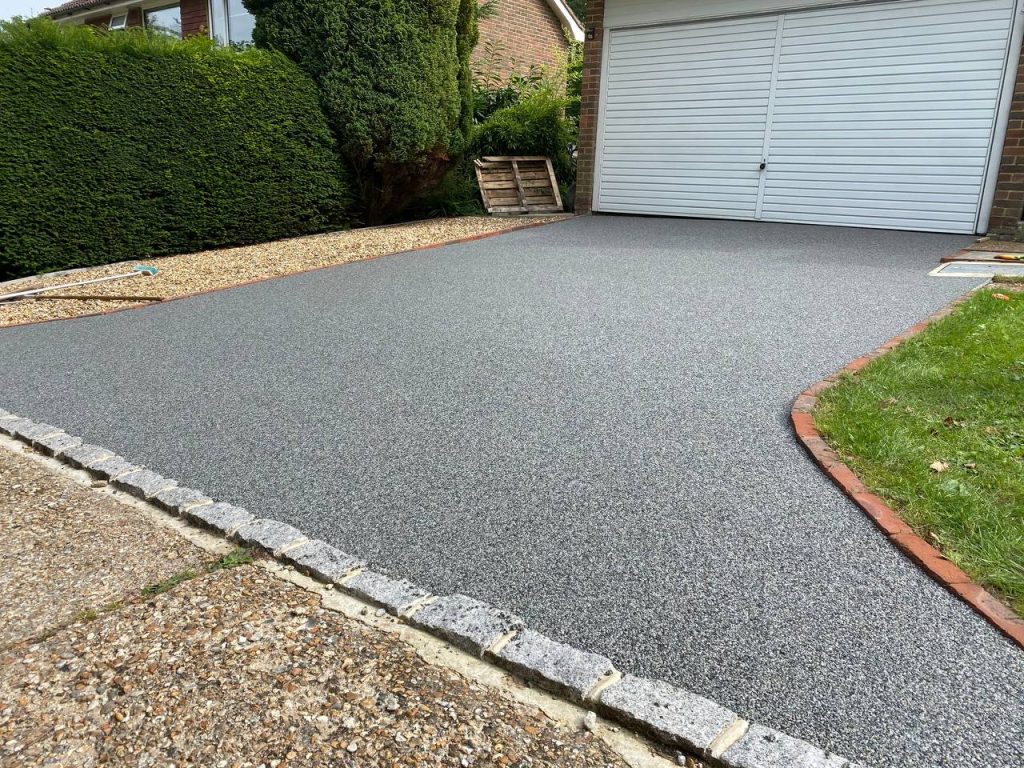
An uneven driveway can create problems beyond its appearance. Low spots may collect rainwater, raised areas can become trip hazards, and loose or shifting materials can make the surface increasingly difficult to use. Although these issues may develop over time, many can be prevented by preparing the ground correctly before the driveway is installed.
For homeowners in Hastings, East Sussex, proper driveway preparation is essential for achieving a stable, durable surface. The quality of the finished driveway depends not only on the chosen material but also on the groundwork, drainage and installation methods used beneath it.
Why Ground Preparation Matters
A driveway needs a stable foundation to support regular foot traffic and the weight of vehicles. If the ground beneath it is soft, uneven or poorly compacted, the surface above may gradually move as the ground settles.
Before installation begins, the existing surface and underlying ground should be assessed. Any unsuitable material, loose soil or failed sections need to be removed to create a suitable base for the new driveway.
The preparation required will depend on the ground conditions, the intended use of the driveway and the chosen surface material. Getting these details right from the beginning helps reduce the risk of sinking, movement and uneven patches developing later.
Creating a Stable Sub-Base
The sub-base is one of the most important parts of a driveway because it distributes loads and supports the finished surface. If it is too thin, poorly compacted or made from unsuitable material, the driveway may develop depressions or areas that move under pressure.
A properly prepared sub-base uses suitable aggregate installed to an appropriate depth and compacted in a controlled manner. The depth and construction need to reflect the ground conditions and the expected use of the driveway.
For example, a driveway regularly used by cars needs a foundation capable of supporting repeated vehicle movements. If the sub-base is inadequate, even a well-finished surface may eventually become uneven.
Hastings Driveway Contractors can assess the requirements of a driveway project and ensure that the groundwork is planned around the conditions on site.
Removing Weak or Unstable Ground
Installing a driveway over unsuitable ground can lead to problems that are difficult to correct once the surface is complete. Soft soil, loose material and areas affected by previous settlement may not provide consistent support.
Proper preparation involves identifying these weaknesses and dealing with them before the new surface is laid. Depending on the site, this may require excavating unstable material and replacing it with suitable, well-compacted aggregate.
Skipping this stage can allow the ground to compress unevenly beneath the driveway. The result may be sinking, cracking or changes in level that affect both the appearance and usability of the surface.
Getting Drainage and Surface Levels Right
Poor drainage can contribute to driveway deterioration, particularly where water collects in low spots or enters the underlying layers. Over time, persistent moisture can weaken the supporting ground and increase the risk of movement.
During preparation, the driveway should be graded to direct rainwater towards suitable drainage points rather than allowing it to pool against the property or across the surface.
Correct levels are equally important. The finished driveway needs a consistent gradient that supports drainage while providing a practical approach to the property. Where different surfaces meet, such as at a garage entrance or pathway, these transitions should also be planned carefully.
In Hastings, East Sussex, assessing the site before installation helps ensure that the driveway’s levels and drainage arrangements suit the property’s layout.
Choosing the Right Installation Method for the Surface
Different driveway materials require different preparation and installation techniques. Block paving, tarmac and resin-bound surfaces do not all rely on exactly the same construction methods, so the groundwork must be suitable for the chosen finish.
For block paving, the bedding layer needs to be even, while appropriate edge restraints help prevent the blocks from spreading or shifting. Tarmac requires a stable, properly prepared base to reduce the risk of deformation. Resin-bound surfacing also depends on a suitable, stable base to help maintain a consistent finish.
Choosing a surface without considering its installation requirements can increase the likelihood of problems later. A professional contractor can recommend an appropriate construction method based on how the driveway will be used and the conditions on site.
Why Compaction and Edge Restraints Are Important
Compaction helps reduce movement within the foundation layers. If aggregate is not compacted adequately, it may settle after the driveway is installed, creating dips and changes in level.
Edge restraints also play an important role, particularly with block paving. They help hold the driveway’s edges in position and prevent individual blocks from gradually moving outwards.
These details may not be visible once the work is finished, but they contribute significantly to the stability of the completed surface. Proper installation helps maintain the driveway’s shape and reduces the risk of uneven areas developing.
Signs That Poor Preparation May Be Causing Problems
If an existing driveway has developed uneven sections, several signs may indicate that the foundation or drainage needs attention. These include recurring puddles, sinking areas, spreading block paving, cracked sections or surfaces that have become noticeably uneven.
The visible defect may not reveal the underlying cause. Simply filling a depression or replacing a damaged section may provide only a temporary improvement if the supporting layers remain unstable.
A professional assessment can help identify whether the problem is related to the sub-base, drainage, surface installation or a combination of factors.
Conclusion
Proper driveway preparation is essential for preventing uneven surfaces and maintaining a driveway that remains practical and attractive. Stable ground, a well-compacted sub-base, effective drainage, accurate levels and suitable installation methods all contribute to the long-term performance of the finished surface.
If you are planning a new driveway or experiencing problems with an existing one, Hastings Driveway Contractors can assess your requirements and recommend a suitable solution for your property in Hastings, East Sussex. Contact us to discuss your driveway project and arrange a professional assessment.
Call us on: 01424 232 894
Click here to find out more about Hastings Driveway Contractors
Click here to complete our contact form and see how we can help with your driveway needs.